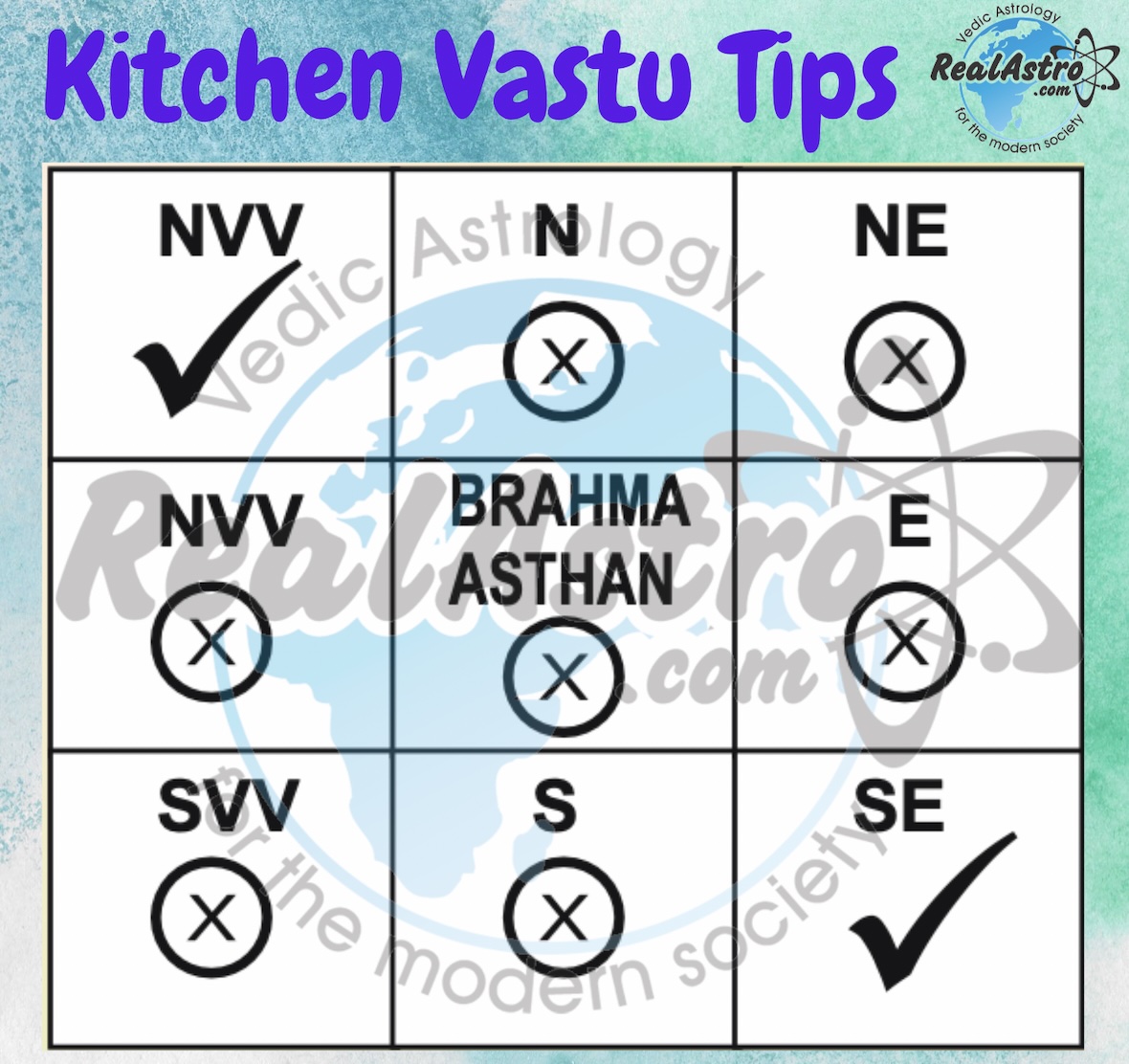
Planet Mars controls the Kitchen. Mars is a fiery planet, and the kitchen is also…
Vastu: Improving Home Harmony
The creation of a peaceful and harmonious living space can be guided by various ancient Vedic practices. Among these, Vastu Shastra, an ancient Indian architectural science, holds a significant place. It is a set of principles that aims to establish harmony between humans and their living environment. A house’s Vastu goes beyond the aesthetics; it delves into the very essence of balance and well-being.
Vastu, which comes from the Sanskrit word “Vas,” meaning to dwell, emphasises the alignment of a structure with the natural elements and forces. It is believed to create a positive flow of energy throughout the home, and to bring luck and prosperity to the family. Vastu can also be used to reduce the stress and strain associated with daily life. It is based on the idea that the universe is composed of five elements – earth, water, fire, air, and space – and these elements influence our lives profoundly. By adhering to Vastu principles in home design and arrangement, one can harness the positive energies of these elements, promoting physical, mental, and spiritual well-being.
Want your own home checked?
Dr Gyan Sharma reviews your floor plan and directions, remote or onsite across London and the UK.
Book a Vastu consultationVastu is based on the concept of directional alignment. Each direction is associated with specific energies and deities. For instance, the east is linked with the Sun God ‘Surya’, symbolising health and vitality, while the north represents wealth and prosperity. By orienting rooms and entrances according to these directions, homeowners seek to invite auspicious energies into their living spaces.
Furthermore, Vastu prescribes guidelines for the layout and construction of homes to ensure a harmonious flow of energy. It suggests the ideal placement of rooms, furniture, and even household objects to optimise the positive flow of energy, known as “prana.” For example, the North-East corner (also known as ‘Ishan’) is considered highly auspicious and is often designated for prayer rooms or meditation spaces to foster spiritual growth and inner peace.
Beyond spatial arrangements, Vastu also emphasises the significance of materials and colors in home design. Natural materials such as wood and stone are favoured for their grounding properties, while vibrant colors are believed to stimulate positive emotions and creativity. By selecting materials and colors in accordance with Vastu principles, homeowners aim to create a nurturing environment conducive to happiness and prosperity.
Numerous studies suggest that aligning one’s living space with Vastu can lead to tangible improvements in various aspects of life. Improved health, enhanced relationships, and increased prosperity are among the expected outcomes of embracing Vastu in the home. Vastu encourages individuals to live in harmony with both their inner selves and the outer world.
Want to know how your own home measures up? See how our Vastu consultant in London service works, or book a New House Vastu Check before you buy.
Is your home working against you?
Send Dr Gyan your floor plan on WhatsApp and find out which directions need attention.
WhatsApp +44 7886 841403In conclusion, the importance of Vastu in a home lies in its ability to create a nurturing and harmonious living environment. By aligning with the natural elements and energies, Vastu aims to enhance the quality of life and promote overall well-being. Embracing the essence of Vastu can undoubtedly contribute to a more balanced and fulfilling home life.
Dr Gyan Sharma (PhD)
Vastu consultant and Vedic astrologer
Namaste, I’m Dr Gyan Sharma. For more than 40 years I have helped families and businesses bring balance into their homes and lives through Vastu Shastra and Vedic astrology, remote and onsite across London and the UK. If something in your home feels stuck, send me your floor plan and let’s work on it together.

Related Posts